Getting Started with Basic Hand Tools
Essential tools every beginner needs and how to choose quality over quantity. You won't need everything at once.

Why Start with the Basics
When you're first getting into woodworking, it's tempting to buy every tool you see. But here's the thing — you don't need them all at once. The best approach is starting with a small, quality toolkit and building from there as your skills develop.
Most beginners make the mistake of grabbing cheap multi-tool sets. You'll end up with 50 tools you never use and none that work properly. Instead, invest in five or six good hand tools. They'll last decades and actually do the job right.
Quality matters more than quantity at this stage. A decent handsaw costs £25-40, but it'll cut straighter and cleaner than a budget saw twice that price. You'll enjoy the work more. Plus, good tools teach you proper technique — cheap ones encourage bad habits.
The Five Tools You Actually Need
Start here. These five tools cover 80% of basic woodworking tasks. Learn them well, then add more as you need them.
Hand Saw
A 20-inch crosscut saw handles most cutting jobs. Look for one with a comfortable grip and around 10-12 teeth per inch. Don't cheap out here — a good saw makes cutting enjoyable rather than exhausting.
Budget: £30-45 | Priority: Essential
Claw Hammer
A 16-ounce hammer works for most projects. The weight should feel balanced in your hand — not too heavy, not too light. You'll use this constantly, so get one that doesn't hurt your wrist after 20 minutes of work.
Budget: £15-25 | Priority: Essential
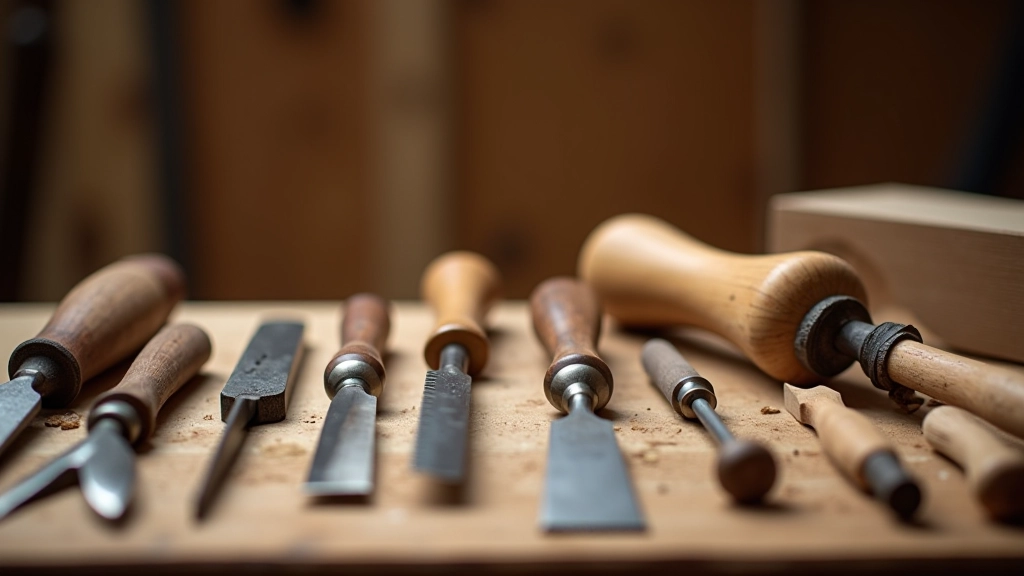
Chisels (Set of 3)
Get ¼-inch, ½-inch, and 1-inch widths. These let you shape wood precisely and clean out joints. Spend a bit more on chisels — dull or poorly-made ones are frustrating. A decent set from a recognized brand costs around £35-50.
Budget: £35-50 | Priority: Essential
Measuring & Marking Tools
A 5-meter tape measure, a combination square, and a pencil. These are cheap but absolutely critical. Accuracy in woodworking starts with measuring correctly. A good combination square costs £8-12 and lasts forever.
Budget: £15-20 | Priority: Essential
Clamps (Pair of C-Clamps)
You'll need something to hold wood while you work. Two medium C-clamps (around 6-inch size) are a good start. They're cheap, reliable, and you'll wonder how you ever worked without them once you have them.
Budget: £12-18 | Priority: Essential
Total investment for a solid starter kit: £105-180. That's genuinely affordable compared to buying rubbish tools that break after two projects.
Educational Information
This article provides educational guidance on selecting and using basic hand tools for woodworking projects. Tool recommendations are based on common beginner needs and general best practices. Always follow safety guidelines, wear appropriate protective equipment, and consult product manuals before using any tools. Individual circumstances and preferences vary — what works for one woodworker might differ for another. For specialized advice specific to your project, consider consulting experienced woodworkers in your local Men's Shed or a qualified instructor.
Learning Proper Technique
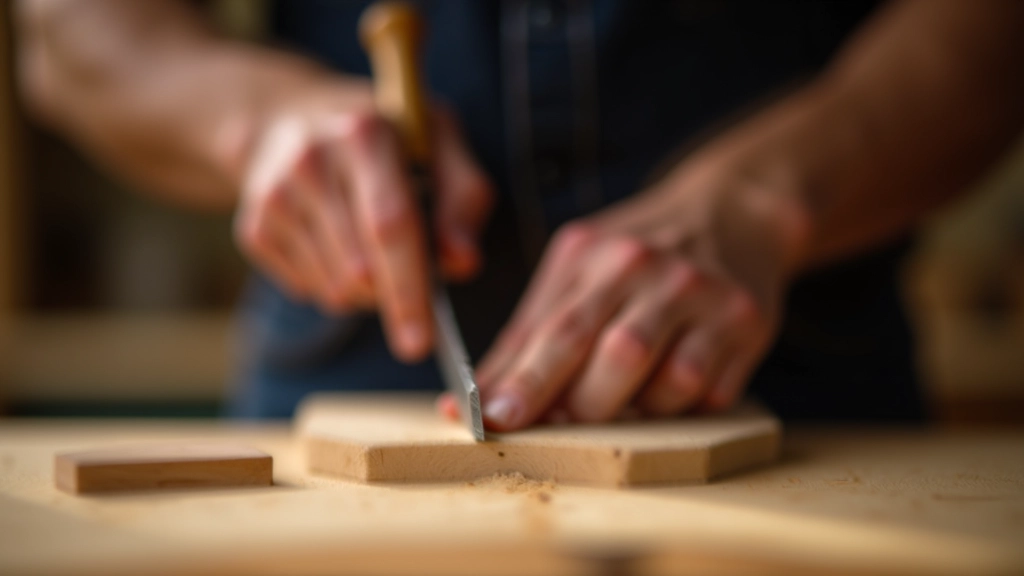
Having good tools is half the battle. Using them correctly is the other half. Here's the thing — bad technique with a quality tool teaches you something. Bad technique with a rubbish tool teaches you nothing except frustration.
When you start, spend time learning how to grip each tool properly. Your hammer should swing from your elbow, not your wrist. Your chisel work should use controlled pressure, not brute force. A saw needs steady, smooth strokes — not aggressive hacking.
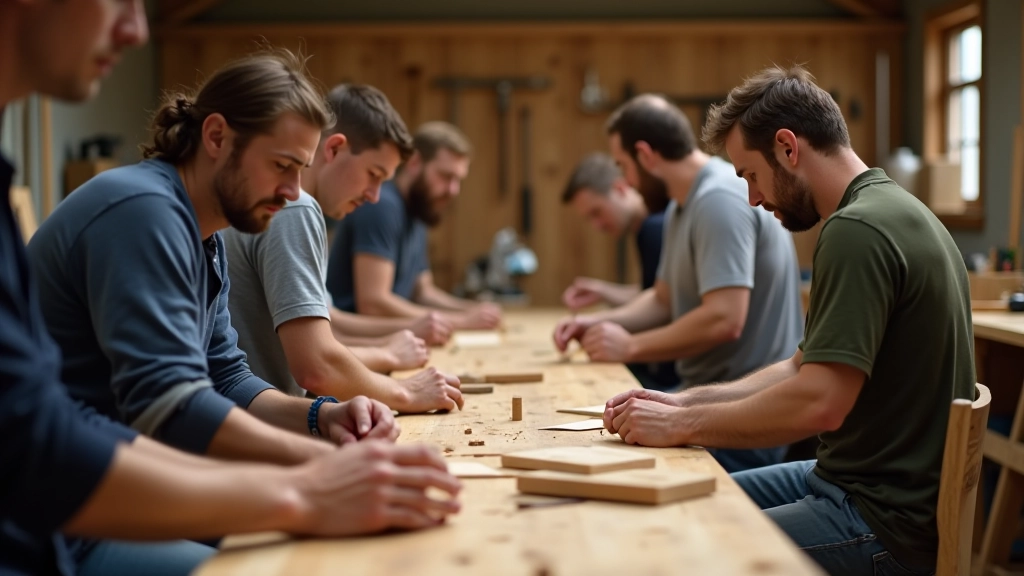
YouTube has brilliant tutorials, but there's no substitute for working alongside someone experienced. That's where Men's Shed groups shine. You'll learn in a few weeks what might take months alone. Plus, you'll meet other people who genuinely love making things with their hands.
Most people improve dramatically after 3-4 months of regular practice. By then, good technique becomes automatic and you're not thinking about grip anymore — you're focused on the actual work.
Keeping Your Tools in Good Shape
Good tools last decades. Bad storage ruins them in months. Here's what you need to know:
Keep them dry
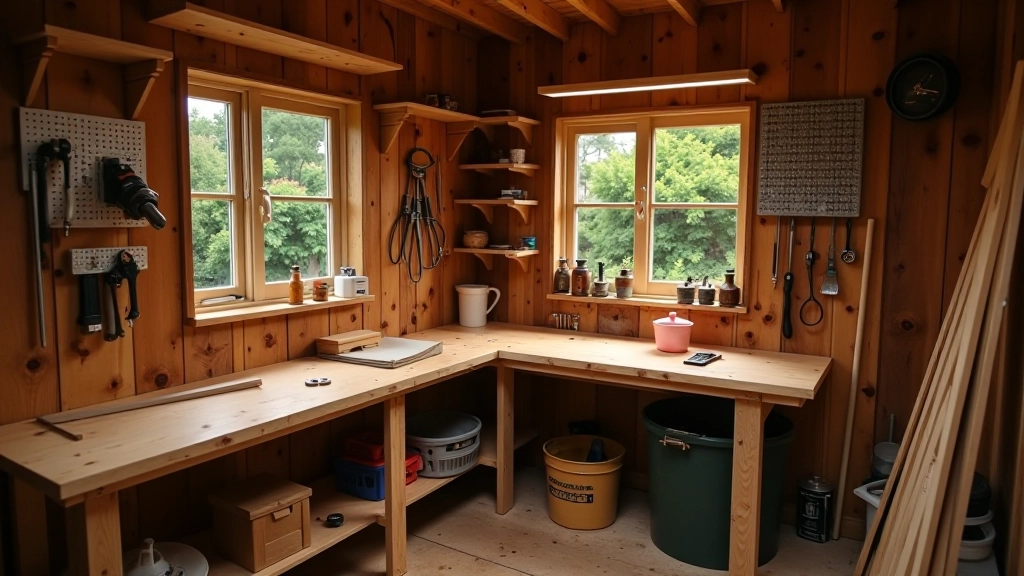
Moisture causes rust and wood rot. Store tools in a dry space — a garden shed with decent ventilation works fine. Avoid damp basements where moisture sits.
Sharpen regularly
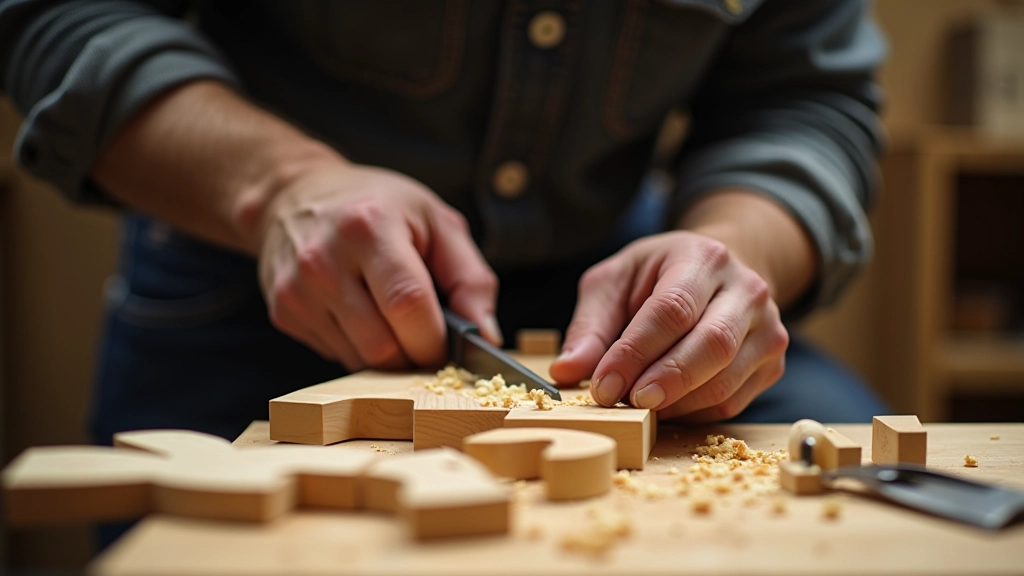
A dull chisel or saw is dangerous and frustrating. Sharp tools are safer because they don't require excessive force. Invest in a sharpening stone (£10-15) and learn to maintain your edges. This is non-negotiable.
Clean after use
Wipe sawdust off tools before storing them. Wood particles trap moisture and can damage handles. Takes 30 seconds but saves your tools.
Organize thoughtfully
A simple wall-mounted tool rack or a wooden toolbox keeps everything accessible and protected. You'll work faster when you're not hunting for tools.
The Real Starting Point
Getting started with woodworking isn't about having the perfect toolkit. It's about having tools that work properly and learning to use them well. Five quality hand tools, a safe workspace, and consistent practice — that's genuinely all you need.
Start small. Work deliberately. Ask questions when you're stuck. Share what you learn with others. That's how real craftsmanship develops. And honestly? That's where the real enjoyment comes from.
Related Articles