Finding Quality Timber from Local Merchants
Learn how to source the best wood for your projects by building relationships with local timber suppliers and understanding grain, moisture, and wood species

Why Local Timber Matters
Getting timber right is half the battle. You can have perfect techniques and sharp tools, but if your wood's warped, wet, or the wrong species for the job, you're fighting an uphill battle from day one.
The good news? Your local timber merchants know their stuff. They've got seasoned wood, they understand what works for different projects, and they'll actually spend time helping you choose the right material. That's worth a lot more than ordering online and hoping for the best.

Understanding Wood Species and Their Uses
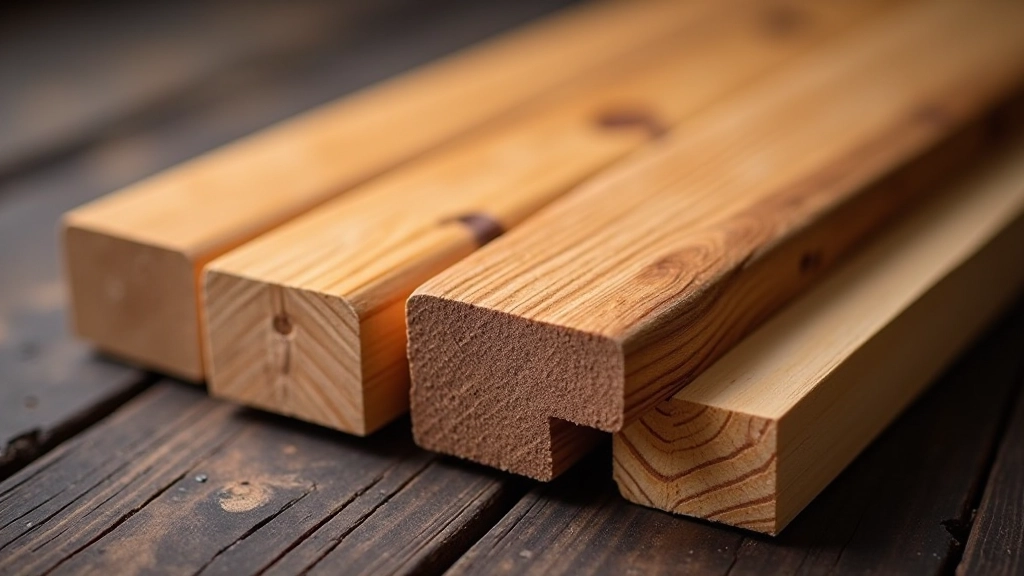
Not all wood is created equal. Hardwoods like oak, ash, and walnut are dense, durable, and beautiful — perfect for furniture and visible projects. Softwoods like pine and spruce are cheaper, easier to work with, and fine for storage boxes or practice pieces. It's not about one being better than the other. It's about picking the right tool for the job.
When you visit a local timber merchant, ask them to explain the difference between what they've got in stock. They'll show you the grain patterns, tell you how stable each species is, and — this is crucial — they'll know which woods are locally available versus imports. British-grown oak and ash? Absolutely worth seeking out. Plus, you're supporting local suppliers.
- Oak: Dense, strong, visible grain. Great for structural pieces and furniture.
- Pine: Affordable, soft, easy to work. Perfect for beginners and storage projects.
- Walnut: Beautiful dark grain, expensive. Reserved for showcase pieces.
- Ash: Flexible, strong, light colour. Excellent for tool handles and curved work.
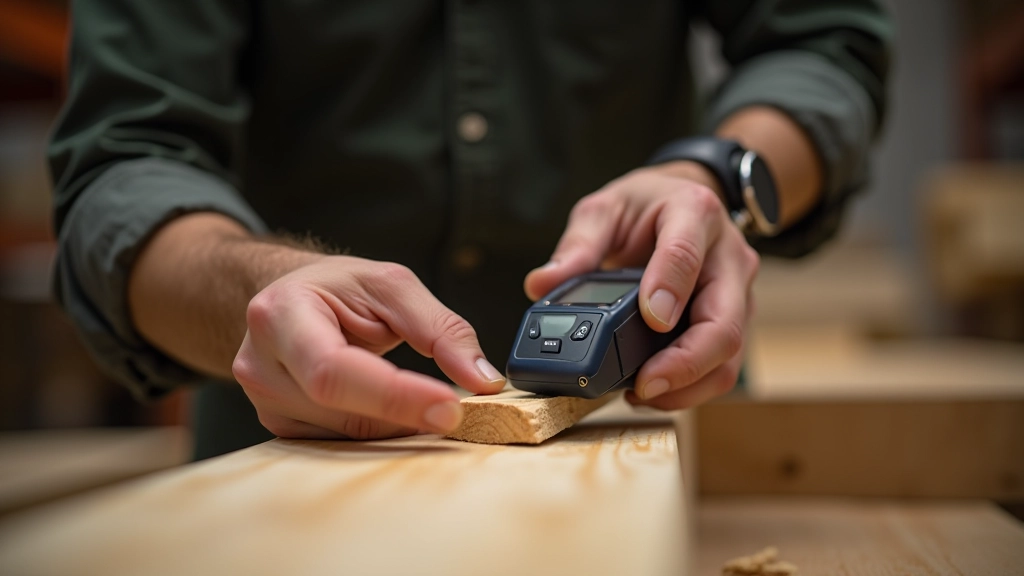
Moisture Content: The Hidden Problem
Here's what kills projects: wood that's too wet. Moisture content matters because wood shrinks as it dries. You'll get warping, splitting, and joints that don't fit anymore. Most timber should be around 12-15% moisture content for indoor furniture. That's the sweet spot.
A good merchant will have a moisture meter and they'll use it. They won't just tell you "oh, it's been inside for a few weeks so it's dry enough." They'll measure it. If they don't have a meter or won't check? That's a red flag. You're looking at potential headaches later.
Pro tip: Ask your merchant about acclimation. If you've bought wood, let it sit in your workshop for a week before starting. It'll adjust to the humidity in your space and won't move around on you mid-project.
Educational Information
This article provides educational guidance for sourcing timber as a hobbyist woodworker. While we've shared practical advice based on common woodworking practices, every project is unique and wood properties can vary significantly. Always consult with your timber merchant about specific requirements for your project, and don't hesitate to ask questions about moisture content, species suitability, and storage. Individual results depend on skill level, tools available, and project specifications.
Building Relationships with Your Local Merchant
The best timber sourcing isn't transactional. It's about building a relationship with someone who understands what you're trying to do. When your merchant knows you're a beginner, they'll steer you toward forgiving species. When they know you're working on your first big furniture project, they'll have recommendations.
Visit the same place a few times. Bring sketches or photos of what you're making. Tell them your budget. Good merchants will remember you, save interesting offcuts, and even give you first dibs on new stock that suits your style. You're not just buying wood — you're getting advice worth far more than the discount.
Plus, when something does go wrong — a knot splits during planning or you've got grain tearout issues — you can go back and ask. They'll troubleshoot with you because they want repeat customers, not one-off sales.

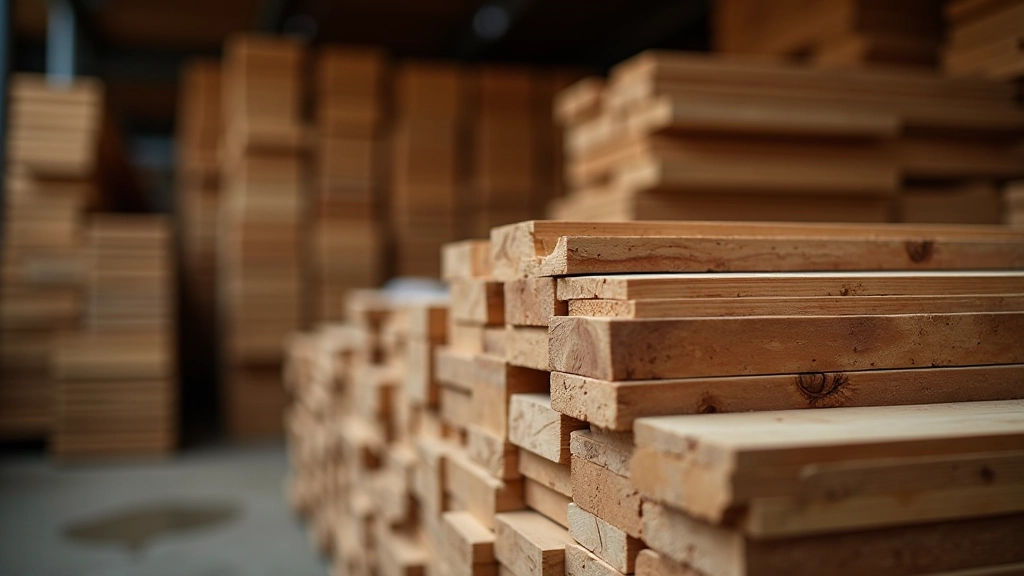
Spotting Quality and Avoiding Common Problems
You don't need to be an expert to spot problem wood. Look for obvious stuff first: large knots that go all the way through, visible cracks, or pieces that are severely cupped or warped. If you can see it's bent or twisted, don't take it.
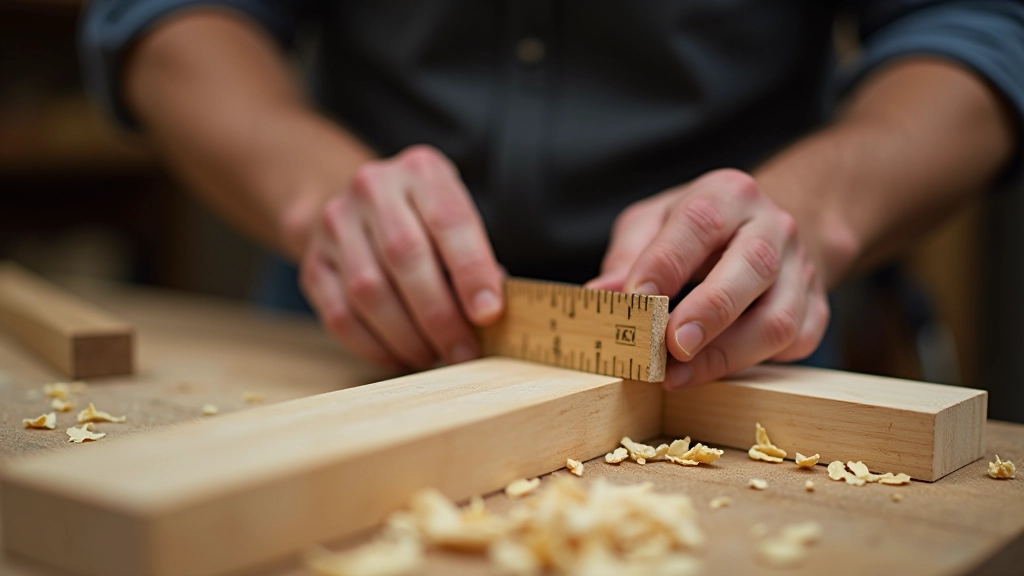
Run your hand along the grain. Does it feel smooth or are there raised areas? Check both sides of the plank — sometimes defects are easier to spot from one angle. Ask the merchant if you can sight down the edge to check for bow or twist. Most won't mind because it shows you're taking it seriously.
Quick Quality Check
- Look for visible splits, large knots, or dark stains
- Feel the grain direction and check for roughness
- Sight along the edges to check for warping
- Ask about moisture content and acclimation
- Request the merchant's recommendation for your project
Getting Started This Week
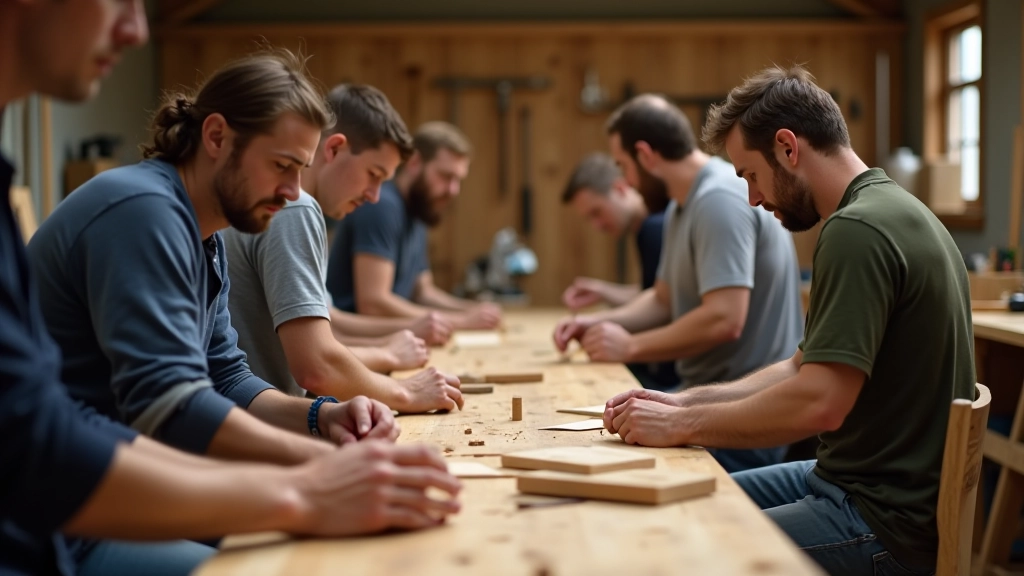
You don't need to overthink timber sourcing. Find a merchant near you — search "timber suppliers near me" or ask at your local Men's Shed if they have recommendations. Pop in without a specific project first. Just browse, ask questions, and get a feel for the place. See if the staff are friendly and willing to explain things.
When you're ready to buy for a project, bring measurements and tell them what you're making. They'll point you toward suitable wood at your budget. It's that straightforward. The investment in good timber and good advice pays off immediately when your joints fit properly and your finishes look clean.
Building skills takes time. Building a relationship with a good timber merchant? That happens on your first visit. And it's one of the best shortcuts you can take in woodworking.
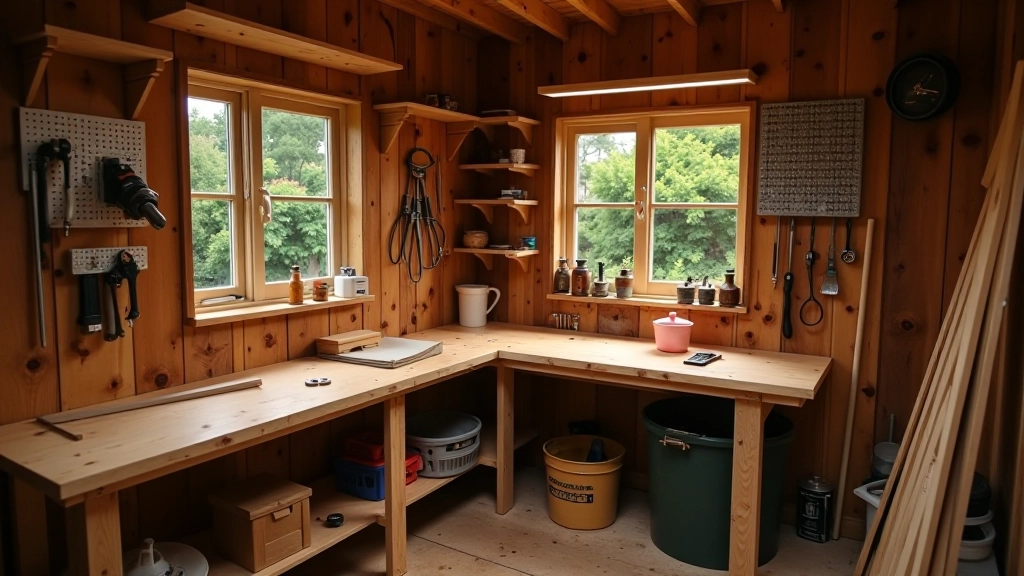
Ready to set up your workshop? Check out our guide on garden shed setup and building spaces for your projects.
Read the Workshop Setup GuideExplore More Resources